Kosher salt
The coarse, additive-light salt most American recipes now call for, named for the Jewish practice of salting meat.
Also called kitchen or koshering salt

At a glance
| Origin | Named in the United States; made in North America |
|---|---|
| Type | Rock and spring salt |
| How it's made | Made from rock salt or evaporated brine, formed into coarse grains. It usually has no iodine. |
| Colour and texture | White, coarse grains that are easy to pinch. |
| Best for | Seasoning by hand, dry-brining meat, salting pasta water. |
| Swap with | Coarse sea salt. Grain sizes vary, so measure by weight when switching. |
| Note on iodine | Most kosher salt is not iodized, so it does not help prevent iodine deficiency the way iodized table salt does. |
The story
The name refers to kashering, the Jewish practice of drawing blood from meat with coarse salt, not to the salt itself being kosher. Chefs adopted it in the 1980s because the large grains are easy to scatter by hand, the Food Network brought it into home kitchens in the 1990s, and since about 2010 most US recipes have called for it.
Salt words on this page
Similar salts
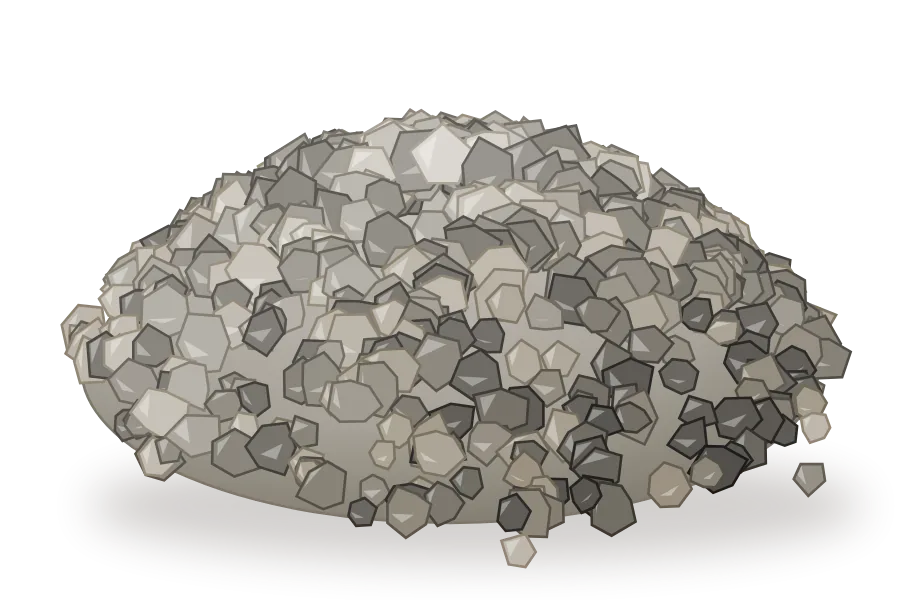 France · Sea saltSel gris (grey salt)grey sea saltBest for Roasting, pasta water, brines
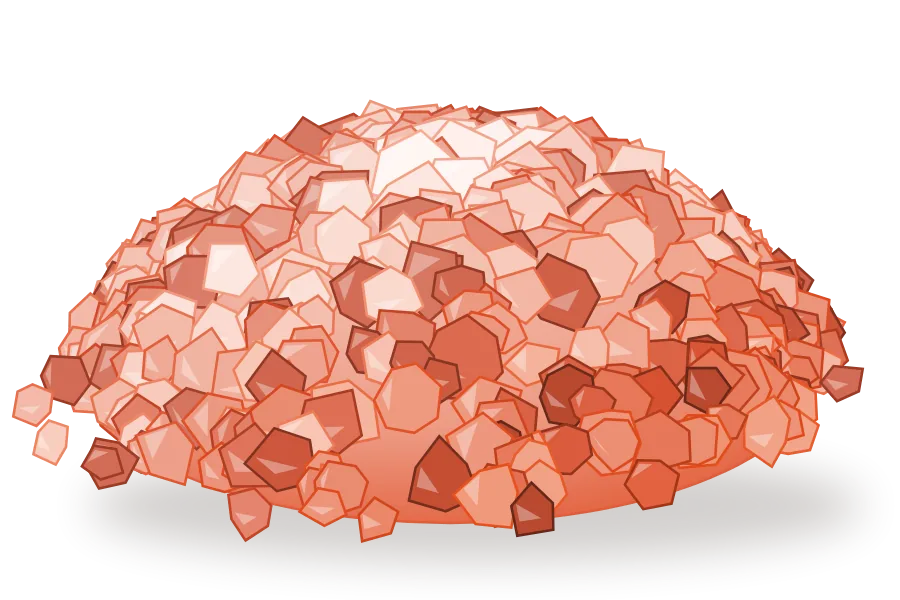 Pakistan · Rock saltHimalayan pink saltpink rock saltBest for Cooking, salt blocks
 England · Sea saltMaldon sea saltpyramid flakesBest for Steak, salads, bread
Cite this page
For school projects and reports. Teachers often prefer the original sources too: see the list below.
The Salt Almanac. (2026, November 8). Kosher salt. https://saltalmanac.com/salts/kosher-salt
“Kosher salt | Salts of the World.” The Salt Almanac, 8 Nov. 2026, saltalmanac.com/salts/kosher-salt. Accessed [today's date].
“Kosher salt | Salts of the World.” The Salt Almanac. Last modified November 8, 2026. https://saltalmanac.com/salts/kosher-salt.
Original sources
- Wikipedia. Kosher salt. https://en.wikipedia.org/wiki/Kosher_salt