The World of Salt
15 signature salts, and how to use them
From a Welsh flake salt with Champagne-style legal protection to a Filipino salt sold in a cracked clay “egg”: where each salt comes from, how it is made, and what it is best for.
Sea salts
Made by evaporating seawater, by sun and wind or over a fire.
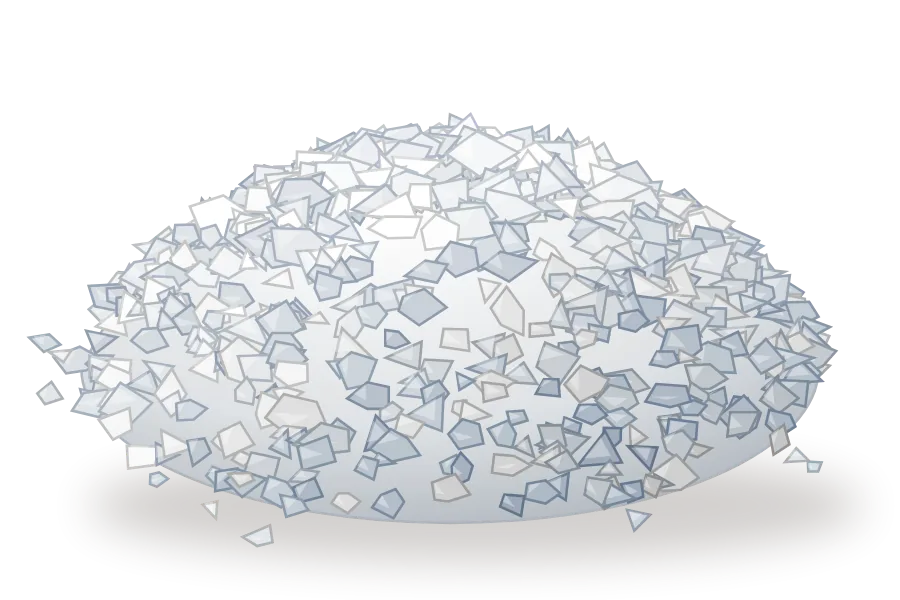 France · Sea saltFleur de sel de Guérandefinishing saltBest for Caramel, tomatoes, eggs
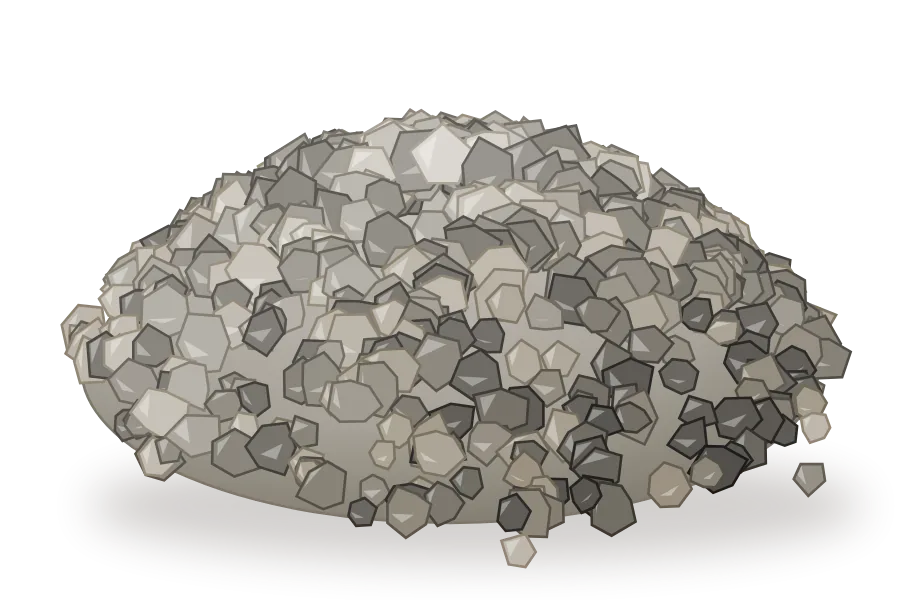 France · Sea saltSel gris (grey salt)grey sea saltBest for Roasting, pasta water, brines
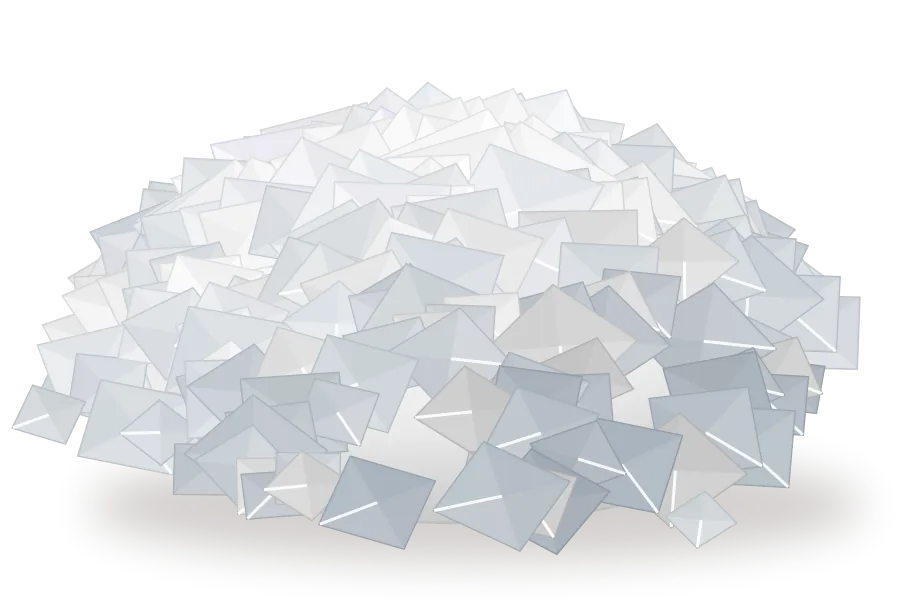 England · Sea saltMaldon sea saltpyramid flakesBest for Steak, salads, bread
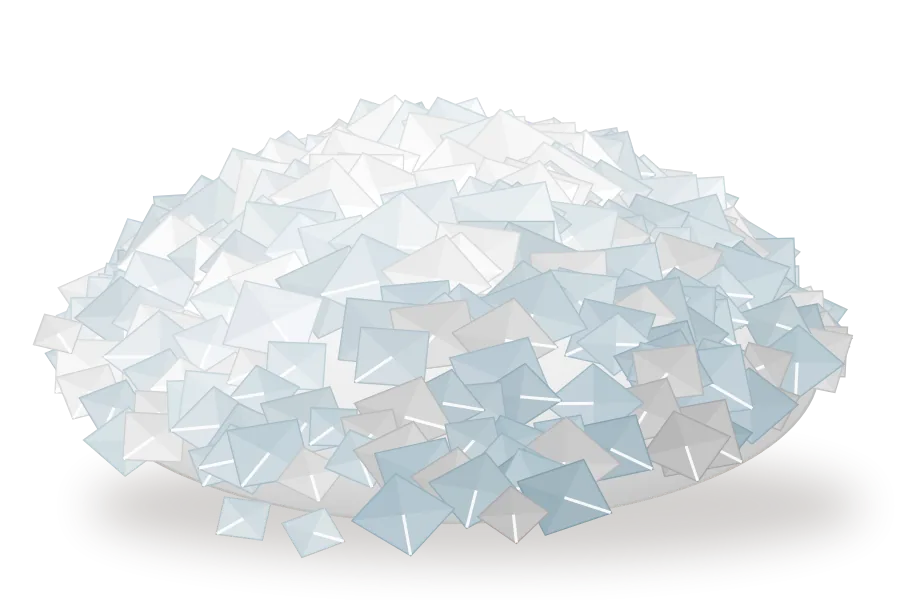 Wales · Sea saltHalen Môn (Anglesey sea salt)protected Welsh flakesBest for Finishing, baking
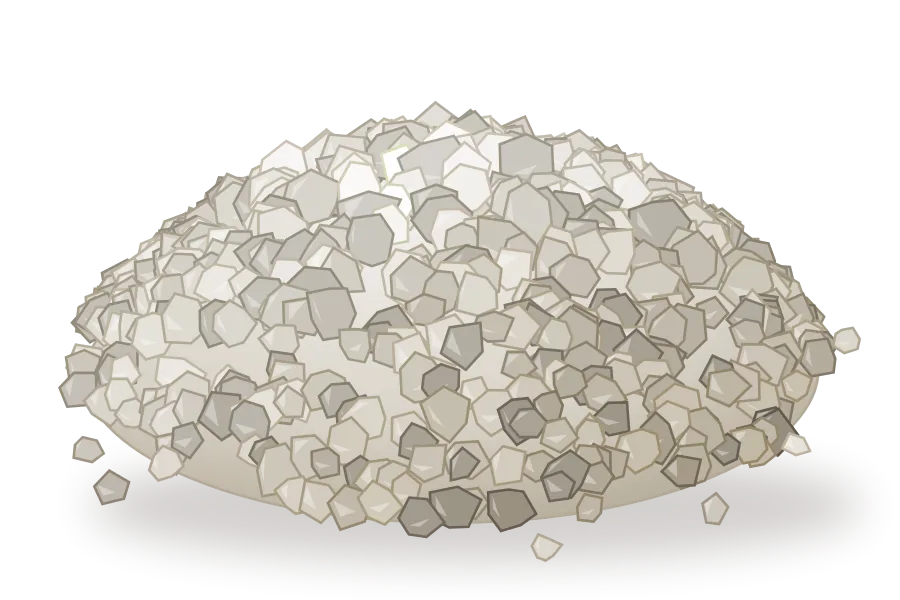 Italy · Sea saltTrapani sea saltsun and wind saltBest for Fish and vegetables
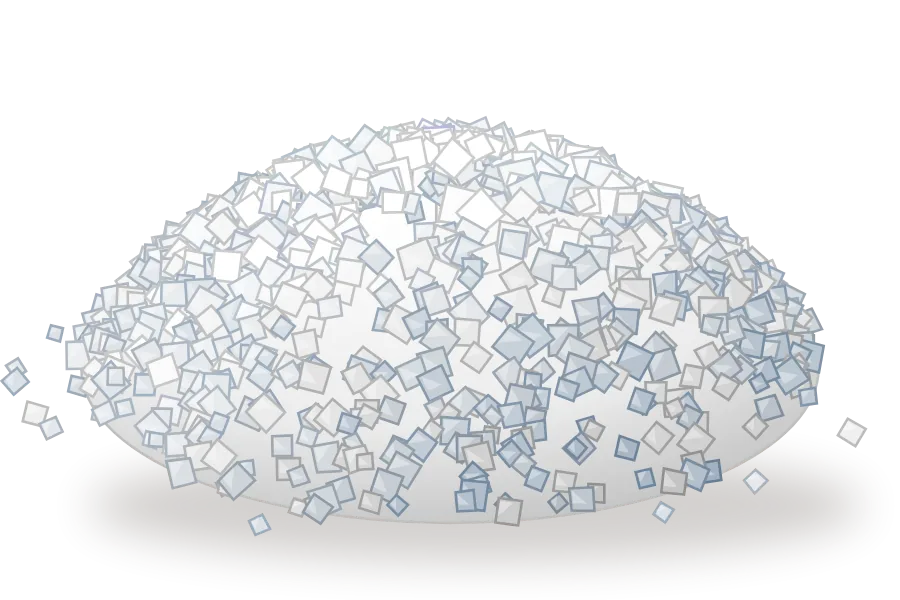 Slovenia · Sea saltPiran saltgrown on algaeBest for Everyday cooking
Rock and spring salts
Mined from ancient underground deposits, or drawn from salty springs and groundwater.
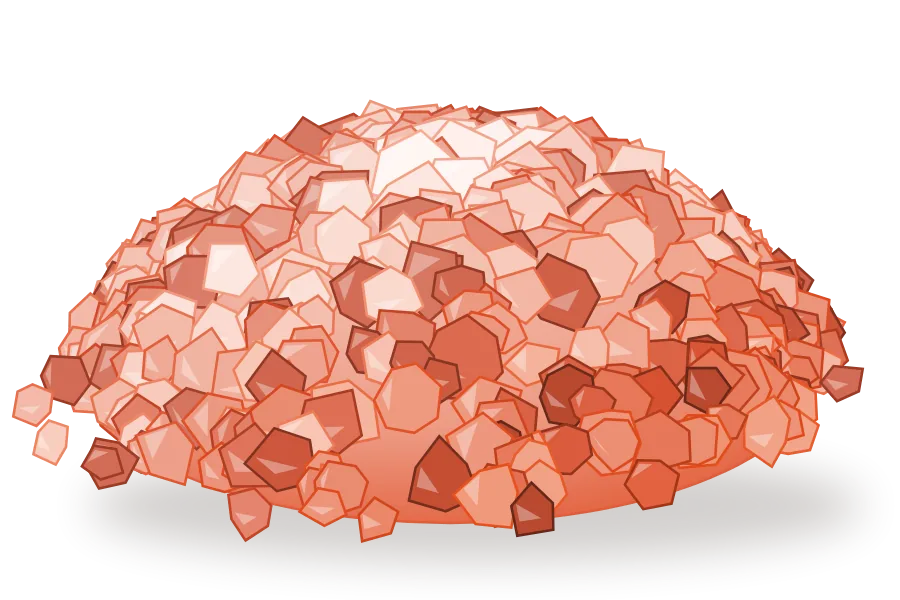 Pakistan · Rock saltHimalayan pink saltpink rock saltBest for Cooking, salt blocks
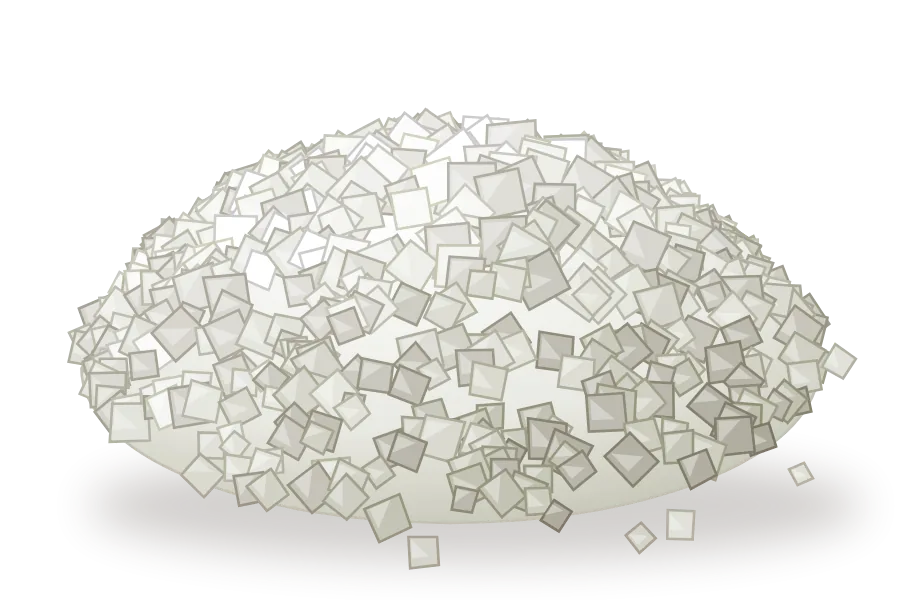 Spain · Spring saltAñana spring saltmountain spring saltBest for Cooking and finishing
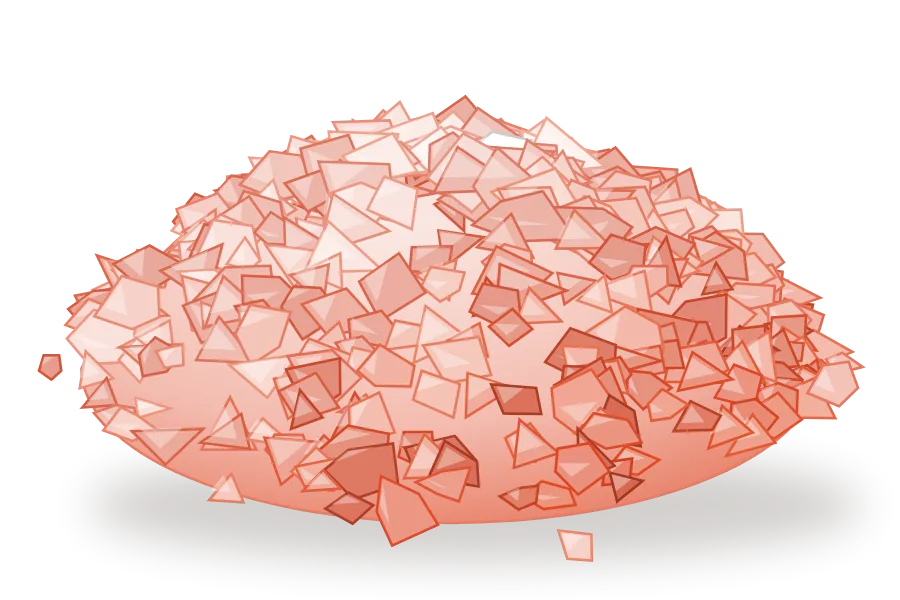 Australia · Brine saltMurray River pink salt flakespink brine flakesBest for Salads, fish, baking
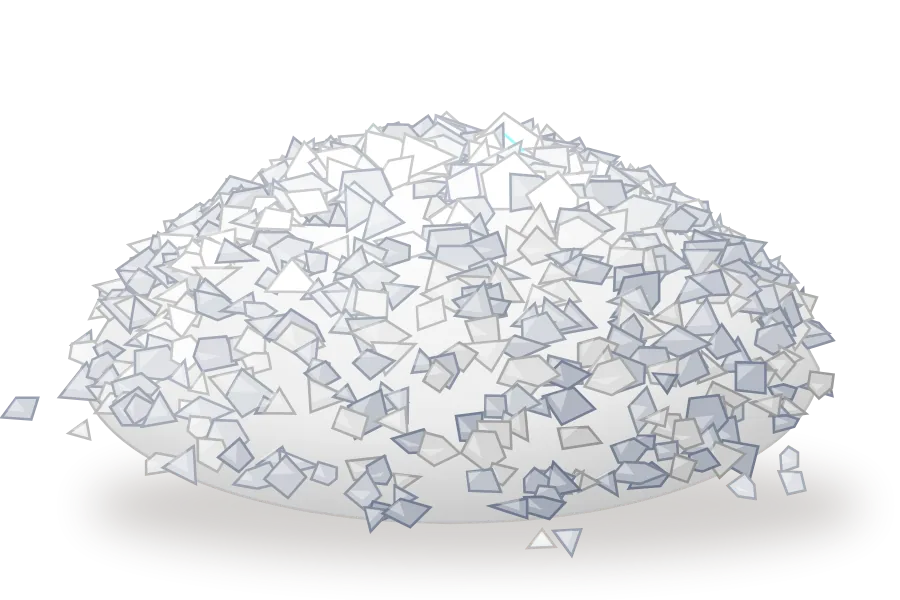 United States · Kitchen saltKosher saltcoarse kitchen saltBest for Seasoning by hand
Salts with a twist
Salts that are roasted, fired, coloured or filtered through ash or seaweed.
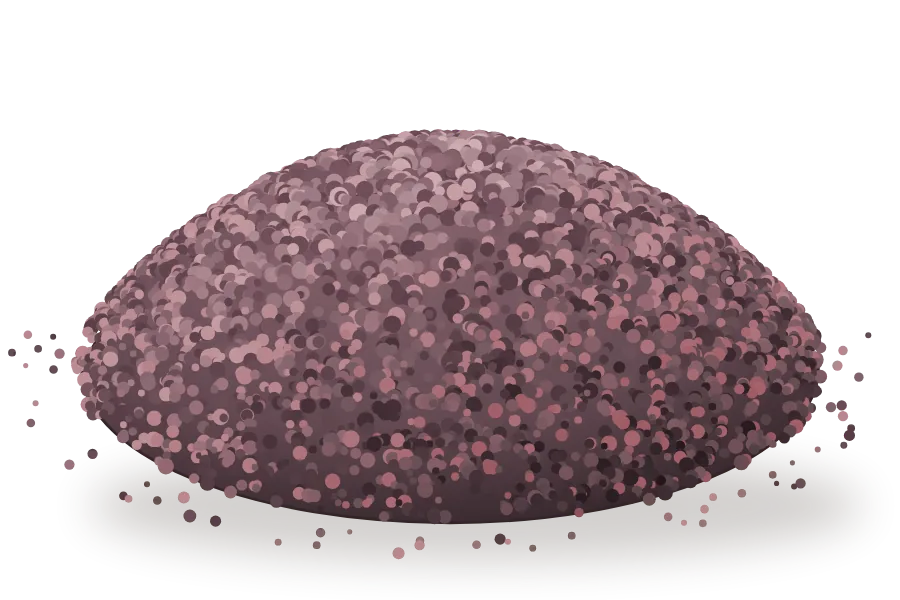 India and South Asia · Specialty saltKala namak (Indian black salt)kiln-fired, eggyBest for Chaat, raita, tofu scramble
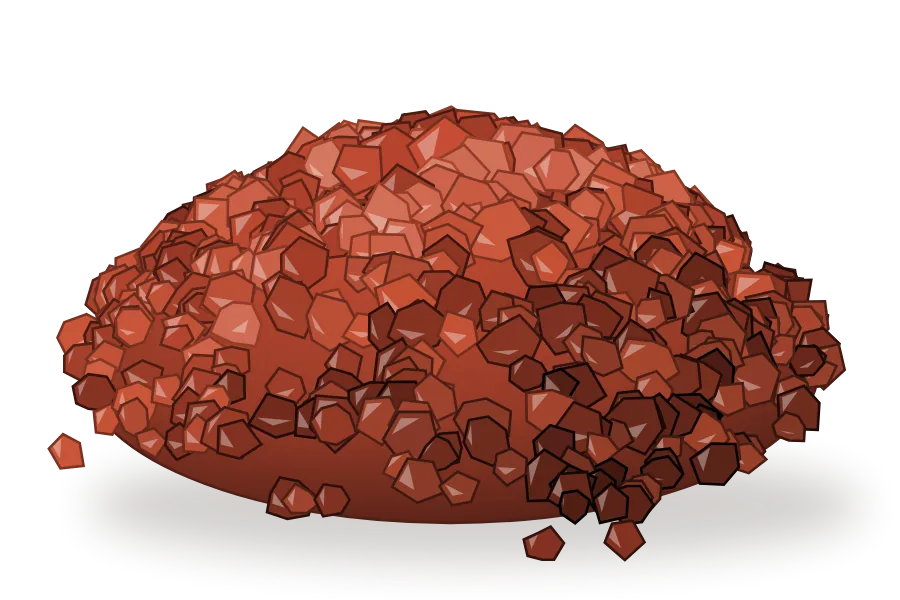 United States (Hawaiʻi) · Specialty saltAlaea salt (Hawaiian red salt)red volcanic clayBest for Kalua pig, poke
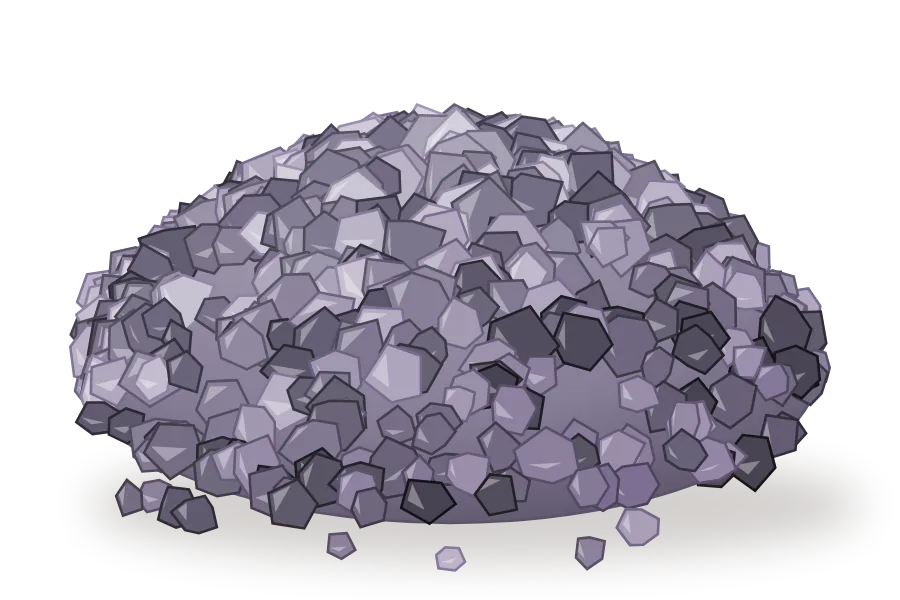 South Korea · Specialty saltBamboo salt (jugyeom)roasted nine timesBest for Seasoning
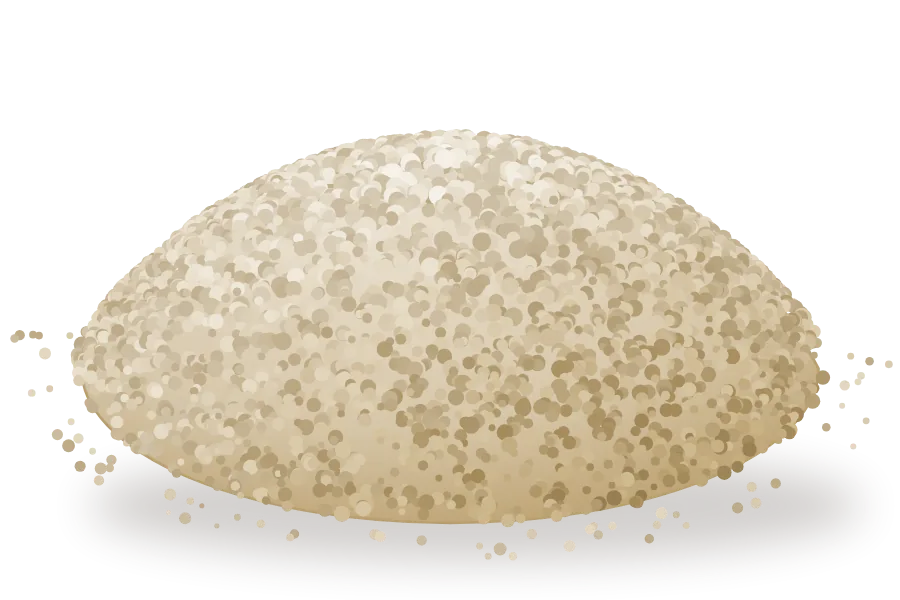 Japan · Specialty saltMoshio (seaweed salt)seaweed saltBest for Rice and vegetables
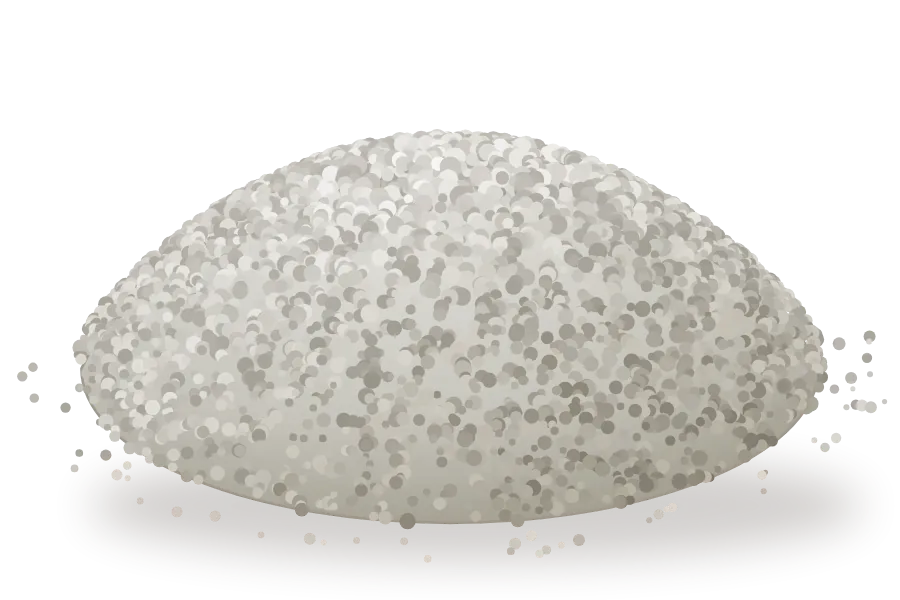 Philippines · Specialty saltAsin tibuok (“dinosaur egg” salt)the dinosaur eggBest for Grated over hot rice
Salt illustrations: The Salt Almanac.