Moshio (seaweed salt)
Japan's oldest salt: sea salt concentrated on dried seaweed, with a gentle savoury (umami) note.
藻塩 (moshio)
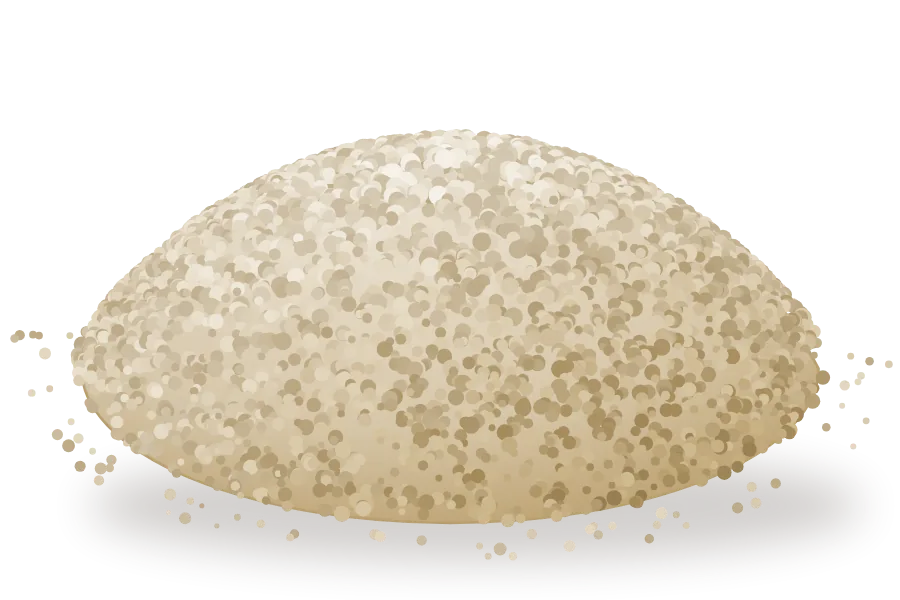
At a glance
| Origin | Coastal Japan |
|---|---|
| Type | Specialty salt |
| How it's made | Dried hondawara seaweed is soaked with seawater so salt crystals form on it. The seaweed is rinsed in seawater to make a concentrated brine, which is boiled down until salt crystallises. |
| Colour and texture | Fine grains. |
| Best for | Simple dishes where a mild salt shows, such as rice and vegetables. |
| Swap with | A fine, mild sea salt. |
| Why seaweed | Japan is too cool and wet to make salt easily by sun evaporation, and boiling plain seawater takes a lot of fuel. |
The story
Seaweed was Japan's main salt-making method until about the 7th century, when clay salt fields (enden) took over. A few producers have revived it; Amabito no Moshio, from Hiroshima, is listed among the city's Hiroshima Brand products.
Salt words on this page
Similar salts
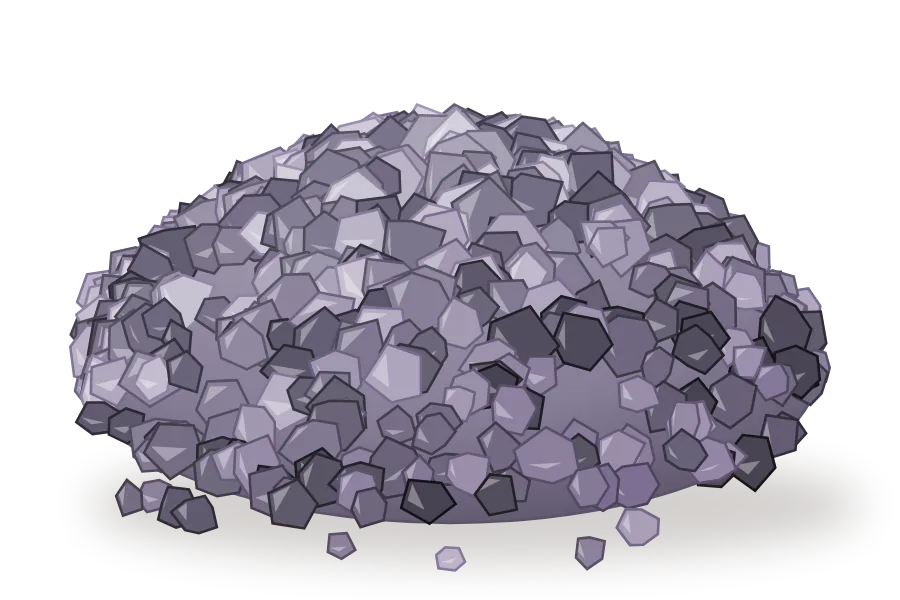 South Korea · Specialty saltBamboo salt (jugyeom)roasted nine timesBest for Seasoning
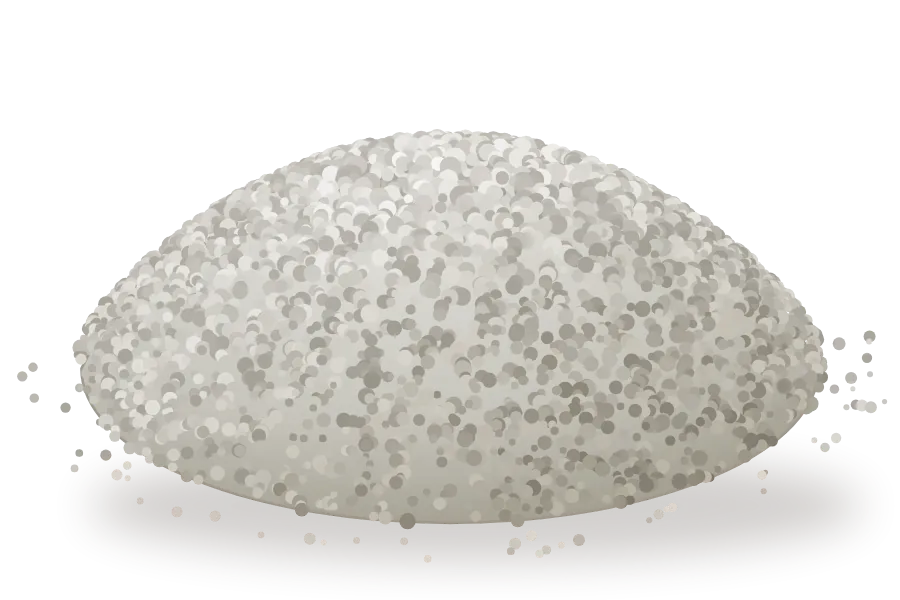 Philippines · Specialty saltAsin tibuok (“dinosaur egg” salt)the dinosaur eggBest for Grated over hot rice
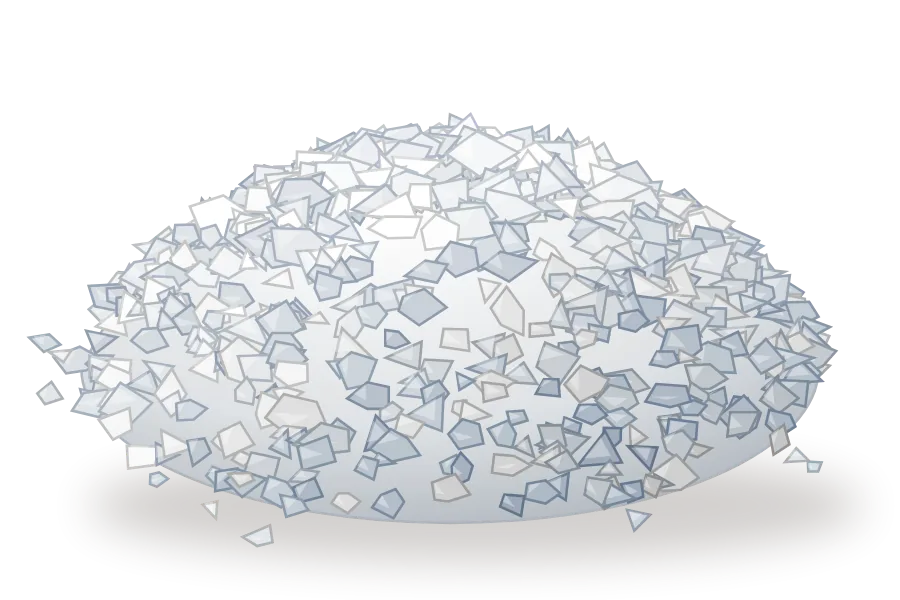 France · Sea saltFleur de sel de Guérandefinishing saltBest for Caramel, tomatoes, eggs
Cite this page
For school projects and reports. Teachers often prefer the original sources too: see the list below.
The Salt Almanac. (2026, November 8). Moshio (seaweed salt). https://saltalmanac.com/salts/moshio
“Moshio (seaweed salt) | Salts of the World.” The Salt Almanac, 8 Nov. 2026, saltalmanac.com/salts/moshio. Accessed [today's date].
“Moshio (seaweed salt) | Salts of the World.” The Salt Almanac. Last modified November 8, 2026. https://saltalmanac.com/salts/moshio.
Original sources
- Wikipedia. Moshio salt. https://en.wikipedia.org/wiki/Moshio_salt
- City of Hiroshima. Amabito no Moshio: Japanese seaweed salt (Hiroshima Brand). https://www.city.hiroshima.lg.jp/english/hiroshima-brand-en/1032092/1032095/1047376.html